Japan's SANAE TOKEN saga has entered a new phase, with fresh media reports alleging the prime minister's office knew more than it admitted. But for crypto markets, the bigger story is what happens next in Tokyo's legislature.
The political noise and the regulatory signal are arriving at exactly the same time.
How the Token Unraveled
SANAE TOKEN launched on Solana on Feb. 25, as BeInCrypto reported. NoBorder DAO — a community led by serial entrepreneur Yuji Mizoguchi — issued it as part of a "Japan is Back" initiative, with Takaichi's name and likeness on the project website. The token surged over 40x on launch day before Takaichi's March 2 denial triggered a 58% crash.
The FSA opened a probe into NoBorder DAO for operating without a crypto exchange license. The token's operators halted issuance shortly after.

Japanese Tabloid Reports Secretary's Approval
Weekly Bunshun, a Japanese tabloid known for breaking political and celebrity scandals, says developer Ken Matsui told the magazine his team informed Takaichi's office that the project was a crypto asset. That directly contradicts her March 2 denial. Takaichi said neither she nor her office had been told anything about the token.
The publication says it obtained audio recordings of Takaichi's chief secretary over a period of more than 20 years, reportedly describing the project favorably. Another Japanese online media reported that Takaichi's office had not responded to media inquiries on the matter as of Tuesday. Takaichi has held no press conference since February 18, when her second cabinet was inaugurated.
The political dimension remains unresolved. What matters for crypto is whether the scandal accelerates — or complicates — Japan's regulatory overhaul.
FSA Bill Changes the Rules
Japan's Financial Services Agency submitted its landmark crypto reform bill to parliament this week, Asahi Shimbun reported. The legislation moves crypto from the Payment Services Act into the Financial Instruments and Exchange Act, reclassifying digital assets as financial instruments for the first time.
As BeInCrypto previously reported, the maximum prison term for unlicensed crypto sales would triple to 10 years, with fines rising from ¥3 million to ¥10 million. The SESC gains criminal investigation powers it has never held over crypto operators. The SANAE TOKEN case was explicitly cited in Nikkei's reporting on the legislative push.
The bill would also void transactions with unregistered operators by default, making it easier for investors to seek refunds — a provision directly relevant to the SANAE TOKEN case.
Read original story Did Japan’s PM Actually Back the Memecoin Bearing Her Name? by Oihyun Kim at beincrypto.com
LATEST POSTS
- 1
 See as Your #1: These Low-Sugar Food sources You Ought to Attempt
 - 2Moon memorial: Artemis 2 astronauts name lunar 'bright spot' after mission commander's late wife
- 3Instructions to Pick the Ideal SUV Size for Seniors
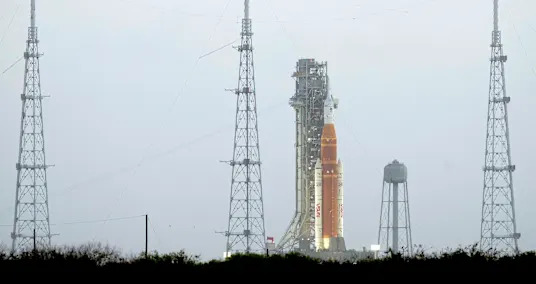
- 4NASA begins fueling rocket to launch astronauts on the first lunar trip in half a century
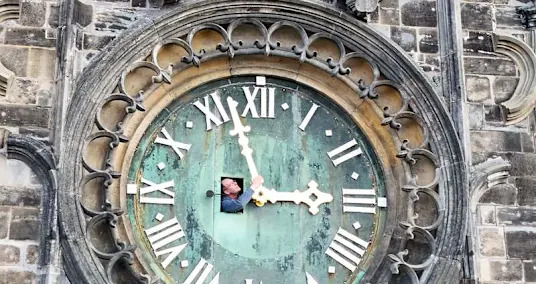
- 5Clocks to go forward one hour in Europe as summer time starts



- A Manual for Pick High Evaluated Food Conveyance Administrations In Significant Urban communities For 2024
- Winter storms blanket the East, while the U.S. West is wondering: Where’s the snow?
- Here's how 'Bridgerton' fans can watch the first episode of Season 4 before its Netflix release later this month
- VPN Administrations for Online Protection
- A definitive Manual for Picking Electric Vehicle: Decision in favor of Your Number one
- How to Build a Yard That Helps Monarchs During Spring Migration
- Step by step instructions to Involve Compact disc Rates for Magnanimous Giving
- Germany's Lufthansa enters race for stake in Portuguese airline TAP
- Understanding climate change in America: Skepticism, dogmatism and personal experience