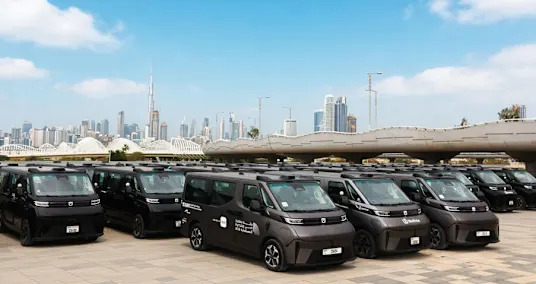
The dream of driverless taxis continues in the Gulf, where the conflict with Iran has slowed but not stopped progress on autonomous transport in Abu Dhabi, Dubai, and Riyadh.
Uber and WeRide added another driverless route in Saudi’s capital this week, linking shopping centers Hayat Mall and Riyadh Gallery. The expanded service comes after the vehicles completed more than 1,700 trips in a trial phase, according to the regulator.
Uber and WeRide have also launched fully driverless services in Dubai, beginning in popular residential and commercial areas Jumeirah and Umm Suqeim, with no safety monitor on board. Separately, Dubai Taxi Company plans to deploy more than 1,000 driverless cars in the city with Baidu’s Apollo Go, starting with a fleet of 50 this year. Earlier this month, Autogo, part of Abu Dhabi-backed technology company K2, began offering rides on Yas Island, and it plans to expand to Saadiyat and Al Maryah islands.
All this is bad news for the region’s taxi drivers, a largely South Asian group whose business is already down due to the conflict with Iran.
LATEST POSTS
- 1
 David Duchovny's new thriller has him stripping down at 65. But its chilling premise hits close to home.
- 2Finding Europe's Head Traveler Objections: An Excursion Through Famous Attractions
- 310 Hints for a Fruitful New employee screening
- 4Taste the World: Five Food sources That Have Dazzled Worldwide Palates
- 5A Manual for Nations to Head out To


- Italy now recognizes the crime of femicide and punishes it with life in prison
- Italy's Beloved Trevi Fountain Hides A Unique Secret That Can Be Explored Underground
- At least 11 killed in South Africa mass shooting
- 'We are ready': NASA still on track to launch Artemis 2 astronauts to the moon April 1
- Saucony's $125 'Comfy, Stylish' Sneakers Are Now $55
- SpaceX's 1st 'Version 3' Super Heavy Starship booster buckles under pressure during initial tests
- Benihana is 60 years old. Gen Z is lining up.
- Born under fire: MDA delivers baby in Jerusalem minutes before rushing to shelter
- Are multiverses real? An astrophysicist explains why it depends on how you define ‘real’